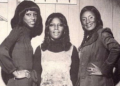

The group was formed in Detroit in 1971, consisting of three female singers, Mildred “Millie” Vaney, Frances “Frankie” Gearing and Lois Reeves, who was the sister of Martha Reeves of “Dancing In the Street” fame. They were successful as backing singers and often performed at shows with the Temptations, as Gearing was engaged to Dennis Edwards. Frankie Gearing took the lead vocal for their performances; she has a great Soul voice, strong and warm, full of passion.
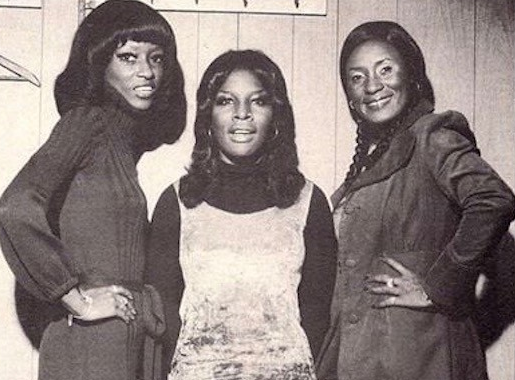
It was on such a tour that they came to Memphis in 1972 and came to the attention of Willie Mitchell. He duly signed them to Hi Records, sharing the management and production duties for their recording sessions with Dan Greer.
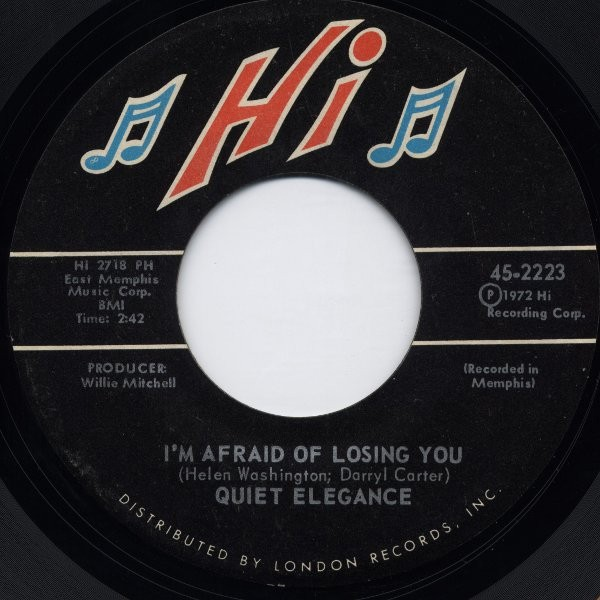
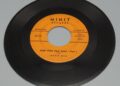
The first of their five singles at Hi was “I’m Afraid Of Losing You” from 1972. It is an understated Soul ballad, co-written by Darryl Carter and Helen Washington. On the reverse is a Don Bryant composition, “Do You Love Me”, which has similar qualities. After this very good start, the tempo was increased for the follow-up single “Mama Said”, co-written by Bettye Crutcher and Bobby Manuel. For the B-side, Willie Mitchell and Al Jackson slowed things down again with their song “I Need Love”.
“I Need Love” then became the A-side for the group’s next release in 1973. Tucked on the B-side was “You’ve Got My Mind Messed Up”, a slow Soul romantic ballad from the pen of Country singer Obie McClinton. It turned out to be the group’s most successful recording, reaching number fifty-four on the R&B chart in 1973. Five more Quiet Elegance singles were released between 1974 and 1977, with Dan Greer writing some of the songs and producing them too. The later tracks are more funky, although the arrangements are still stripped back to showcase Gearing’s outstanding vocals. “Roots Of Love”, the B-side of their final Hi single, is another excellent example of how good the group were. They also toured as a backing group for Al Green.
When Hi Records closed in 1977, Lois joined her sister as a Vandella. Millie and Frankie continued in the entertainment business, singing solo or in a duo, plus, in Frankie’s case, some acting too.
Hi has since issued two compilation albums of their songs, released in 1990 (16 tracks) and 2001 (21 tracks, including three previously unreleased tracks and five alternate mixes).
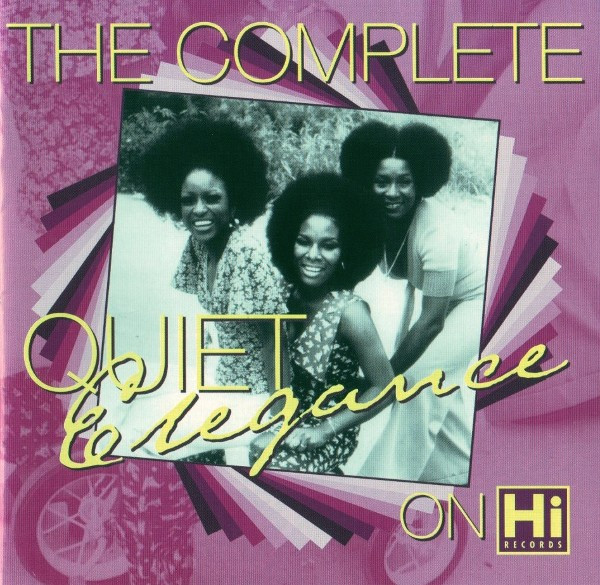
The best description of their work is, typically for Hi Records, quiet elegance, with some extra power when needed.