
Larry Gold stands among the most distinguished and influential cellists, orchestral arrangers, conductors and recording musicians in the world of popular music. His extraordinary contributions have helped shape the development of American Soul, R&B, Hip-Hop, Gospel and contemporary popular music. His remarkable career represents an exceptional musical journey, connecting the disciplined traditions of classical orchestration with the creative innovations of African American popular music. Across successive generations, Gold’s musical craftsmanship has contributed to some of the most significant developments in modern recording history, establishing his reputation as one of Philadelphia’s most accomplished and enduring musical figures.
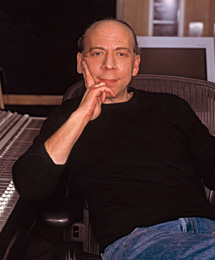
Larry Gold
Photo: Joe D’Ambrosio (Wikimedia Commons)
Born in 1948 and raised in Kensington, North Philadelphia, Gold began studying the cello at seven, demonstrating exceptional musical ability during his formative years. His early classical education provided the foundation for a distinguished professional career. By thirteen, he had performed as a soloist with the Philadelphia Orchestra, and at fourteen, he entered the prestigious Curtis Institute of Music. These achievements established his technical proficiency, musical discipline and understanding of orchestral interpretation, qualities that would later distinguish his contributions to Soul and R&B recordings.
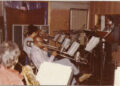
During the early and mid-1960s, Gold began expanding his professional experience beyond classical performance. His engagements at Philadelphia’s renowned Latin Casino introduced him to the demanding environment of popular entertainment, where he worked within orchestral ensembles accompanying internationally celebrated performers, including Frank Sinatra, Tony Bennett and Sammy Davis Jr. These experiences broadened his understanding of musical styles, professional arranging practices and the relationship between instrumental performance and vocal interpretation.
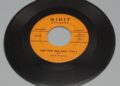
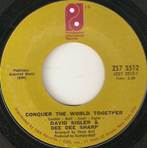
As the decade progressed, Gold became increasingly involved in Philadelphia’s recording industry, undertaking session work associated with Cameo-Parkway Records. The label’s success with recording artists such as Chubby Checker and Dee Dee Sharp reflected the city’s growing importance as a centre of American popular music. Through this developing recording environment, Gold established professional relationships with musicians, songwriters and producers whose collective contributions would transform Philadelphia’s musical identity.
By the late 1960s, his career had become closely associated with three extraordinary creative visionaries: Kenny Gamble, Leon Huff and Thom Bell. Their innovative approach to songwriting, orchestration and record production established the foundations of the Philadelphia Soul Sound. Combining Gospel-rooted vocal expression, Jazz-influenced harmonic structures, disciplined rhythm sections, and sophisticated orchestral arrangements, they developed a musical identity that would illustrate some of the defining characteristics of American Soul and R&B during the following decade.
The establishment of Philadelphia International Records in 1971, through its distribution agreement with CBS Records, marked a defining moment in this musical revolution. Gamble and Huff created an exceptional recording environment that brought together accomplished songwriters, arrangers, producers, vocalists and instrumentalists. Gold became an important contributor to the city’s orchestral recording tradition, working alongside musicians associated with MFSB (Mother Father Sister Brother), the celebrated studio ensemble whose performances helped establish the distinctive sonic character of Philadelphia International Records.
Throughout the early and mid-1970s, Gold’s cello performances contributed to the orchestral richness associated with recordings by The O’Jays, Harold Melvin & The Blue Notes, Billy Paul, The Three Degrees and other internationally successful Philadelphia recording artists. The integration of expressive strings with melodic bass lines, syncopated guitar patterns, disciplined percussion and carefully constructed brass arrangements created a distinctive musical architecture. This combination of classical sophistication and rhythmic intensity helped distinguish Philadelphia Soul from other contemporary American recording traditions.
Equally significant was Gold’s professional association with Thom Bell, whose extraordinary production and arranging achievements extended beyond Philadelphia International Records. Bell’s work with The Delfonics, The Stylistics and The Spinners established new standards of orchestral sophistication within popular music. His arrangements combined expressive string melodies, carefully developed harmonic progressions and distinctive instrumental countermelodies with emotionally compelling vocal performances. Gold’s classical training and exceptional cello technique made him an important contributor to this sophisticated musical environment.
As Philadelphia Soul achieved international recognition during the mid-to-late 1970s, Gold’s professional contributions formed part of a wider cultural transformation in which orchestral arrangements became central to the artistic identity of contemporary Soul and R&B. Recordings associated with Gamble, Huff and Bell demonstrated that string instruments could function as expressive musical voices, reinforcing lyrical narratives, creating emotional tension and providing melodic continuity between vocal passages. Gold’s musicianship contributed to this remarkable synthesis of classical orchestration and African American musical expression.
During the late 1970s and throughout the 1980s, the recording industry experienced significant technological and stylistic changes. Disco, contemporary R&B, electronic keyboards, synthesisers and increasingly sophisticated multitrack recording techniques transformed the production environment. Although the commercial dominance of Philadelphia International Records gradually diminished, the musical principles established by its arrangers and instrumentalists continued influencing successive generations of recording artists. Gold’s versatility enabled him to adapt his classical expertise to these changing musical conditions whilst preserving the expressive qualities of live orchestral performance.
The 1990s represented another major chapter in Gold’s professional development. As contemporary R&B and Hip-Hop producers increasingly explored the musical heritage of Philadelphia Soul, his orchestral expertise became highly sought after. In 1996, he established his own recording facility, The Studio, in Philadelphia, creating a specialised environment for string arrangements, orchestral recording and contemporary music production. This development enabled Gold to bring together experienced classical musicians and a new generation of producers seeking the warmth, depth and sophistication of live instrumental performances.
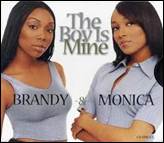
His contributions to Brandy and Monica’s internationally successful recording “The Boy Is Mine” (1998) demonstrated the continuing relevance of sophisticated orchestral arrangements within contemporary R&B. Produced by Rodney Jerkins, the recording became a major international commercial achievement, reaching number one on the Billboard Hot 100. Gold’s involvement reflected the growing creative relationship between established Philadelphia musicians and producers shaping the contemporary American recording industry.

In 1999, Gold’s musical influence extended into another internationally successful production through Jennifer Lopez’s debut single, “If You Had My Love”, which reached number one on the Billboard Hot 100. His string arrangements contributed to the recording’s polished contemporary sound, demonstrating how classical instrumental techniques could complement electronic rhythms, modern studio production and commercially accessible R&B songwriting.
Another important development emerged through his association with The Roots, Questlove and James Poyser, whose musical innovations helped establish Philadelphia as a major centre of contemporary Hip-Hop and Neo-Soul. Gold contributed orchestral arrangements to The Roots’ acclaimed 1999 album “Things Fall Apart”, including the Grammy Award-winning recording “You Got Me”, featuring Erykah Badu. This collaboration represented a remarkable connection between the city’s historic orchestral Soul tradition and the creative developments of a new generation of African American musicians.
The beginning of the twenty-first century introduced further opportunities for Gold’s musical expertise. His involvement with Jay-Z and The Roots on MTV Unplugged (2001) demonstrated the extraordinary possibilities of integrating live orchestral arrangements with Hip-Hop performance. Gold arranged, conducted and performed cello within a musical setting that combined live instrumentation, rhythmic improvisation and contemporary rap. The project illustrated how classical string arrangements could enrich the sonic landscape of Hip-Hop without compromising its rhythmic energy or cultural identity.
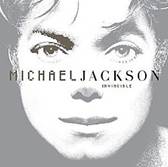
During this period, Gold’s professional network also intersected with the creative environment surrounding Michael Jackson’s final studio album, “Invincible” (2001). Producers and musicians associated with the project included Rodney Jerkins, André Harris, Vidal Davis and legendary recording engineer Bruce Swedien. Although the album involved recording sessions at several facilities, the precise extent of work undertaken at Gold’s Philadelphia studio requires further documentary verification. Nevertheless, the connection illustrates the increasingly international reach of the city’s contemporary production community.
Throughout the 2000s, Gold continued collaborating with established and emerging recording artists, composers and producers, including figures associated with contemporary Soul, Hip-Hop and Gospel music. His musical contributions demonstrated the continuing importance of live orchestration within an industry increasingly dominated by electronic instrumentation and digital recording technology. His arrangements retained the melodic sensitivity, harmonic sophistication and expressive instrumental balance associated with Philadelphia’s celebrated musical heritage.
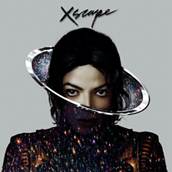
In 2014, Gold’s association with Michael Jackson’s recorded legacy gained further significance through his contribution to the posthumous album “Xscape”. His involvement in arranging and recording strings demonstrated the continuing relevance of his orchestral expertise within contemporary productions that sought to combine archival vocal performances with modern instrumental arrangements and recording techniques.
From the 2010s into the 2020s, Gold’s influence has remained evident through the enduring popularity of the recordings to which he contributed and the continuing use of live string arrangements in contemporary music. His work represents an important musical connection between the classical traditions of his early education, the orchestral achievements of Philadelphia Soul and the creative innovations of modern R&B and Hip-Hop.
From a musicological perspective, Gold’s extraordinary contribution lies in his ability to integrate harmonic voicing, counterpoint, orchestral dynamics and expressive melodic movement within rhythmically sophisticated popular music. His arrangements demonstrate how sustained string harmonies, instrumental countermelodies and carefully controlled dynamics can enhance the emotional architecture of a composition. Rather than functioning merely as decorative accompaniment, his orchestral writing provides musical depth, dramatic expression and structural continuity, strengthening the relationship between composition, vocal interpretation and recorded performance.
Larry Gold’s remarkable career represents an extraordinary musical continuum extending from the classical concert halls of Philadelphia to the internationally celebrated recordings of Gamble, Huff, Thom Bell, The Roots, Jay-Z and successive generations of contemporary recording artists. His artistic achievements demonstrate the profound influence of Philadelphia’s musical heritage upon the wider development of Soul, R&B, Gospel and Hip-Hop. More importantly, his exceptional contributions have helped preserve the expressive richness of live orchestration across six decades of technological, cultural and musical transformation.