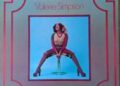

Valerie Simpson had joined Motown in 1966 as a songwriter/producer, alongside her partner Nickolas Ashford. She was a talented singer and pianist, but had waited four years before she was able to record the single “Can’t It Wait Until Tomorrow” on the Tamla label in 1970. The following year saw the release of her first Motown album, “Exposed”.
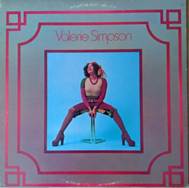
Valerie Simpson’s second solo album, “Valerie Simpson”, released on 14th July 1972 on Tamla Records, stands as one of the most understated yet musically assured records in the Motown catalogue of the early 1970s. Valerie Simpson uses this album to assert her own voice as a performer, interpreter and composer. The record is steeped in adult-oriented Soul, blending Gospel-rooted emotion, Jazz-inflected harmony and polished pop craftsmanship, all delivered with clarity, intelligence and emotional restraint.
All ten tracks were co-written by Ashford and Simpson, with Josephine Armstead an additional co-writer for “Silly Wasn’t I”.
Throughout the album, her vocal approach is controlled and expressive rather than showy. She sings with conviction, shaping phrases carefully and allowing meaning to emerge through nuance rather than force. This measured delivery places her firmly within the tradition of sophisticated, adult Soul singers rather than the more overtly dramatic Motown vocalists of the previous decade. Throughout the album, her vocal approach is controlled and expressive rather than showy. She sings with conviction, shaping phrases carefully and allowing meaning to emerge through nuance rather than force.
Musically, the album reflects Motown’s Los Angeles era, favouring a smooth, spacious sound over the punchy, rhythm-driven style associated with the Detroit years. The arrangements are refined and uncluttered, built around warm rhythm-section foundations and subtle orchestration. Piano and electric piano feature prominently, often anchoring the harmony, while bass lines are rounded and melodic rather than aggressive. Drums are understated, providing steady momentum without dominating the texture, and guitars are used sparingly for rhythmic support and colour.
The album was produced by Valerie Simpson herself, alongside Nickolas Ashford, reflecting their shared philosophy of allowing songs to breathe and performances to unfold naturally. Their production prioritises clarity and emotional balance, ensuring that arrangements enhance rather than overshadow the vocal. This approach gives the record a sense of intimacy and cohesion, as though each track is part of a single emotional conversation. Simpson’s vocals are high quality throughout the album, with excellent background vocals from Ashford Simpson and Josephine Armstead on the majority of the ten tracks.
Arrangements across the album were handled by a small group of trusted Motown collaborators, most notably Paul Riser and H.B. Barnum, both of whom were central figures in shaping Motown’s early-1970s sound. Their orchestrations favour restraint and elegance, with strings and brass used selectively to underline emotional peaks rather than to create spectacle. On tracks such as “Genius I”, the arrangement unfolds gradually, allowing the lyric to take precedence while subtle instrumental shifts add depth and forward motion. “Genius I”, which appears on the B side of Valerie Simpson’s 1972 self-titled album, is one of the most intellectually assured and quietly powerful pieces on the record. It presents Simpson not only as a singer but as a thoughtful interpreter of complex emotional ideas, with a lyric that expresses self-awareness, insight and calm authority rather than overt bravado. The song is reflective in nature, and its strength lies in subtlety, restraint and emotional intelligence.
Musically, the track is built around a disciplined and composed rhythm section. The bass line is smooth and melodic, providing gentle forward motion, while the drums remain controlled and economical, favouring steady pulse over dramatic emphasis. The electric piano forms the harmonic centre, using jazz-inflected voicings to add sophistication and warmth without distracting from the vocal. Guitar parts remain minimal and supportive, contributing texture rather than prominence.
Strings and horns are introduced sparingly and with precision, appearing only at key emotional points to deepen the atmosphere without overwhelming the arrangement. Valerie Simpson’s vocal performance is measured and assured, shaped by clarity, control and thoughtful phrasing. Her delivery conveys confidence grounded in understanding, perfectly matching the song’s title and theme. Together, the arrangement and performance create a refined, spacious and emotionally resonant recording.
On side A, track 4 “One More Baby Child Born” is one of the most socially conscious and spiritually resonant tracks on Valerie Simpson’s 1972 album, shaped decisively by her expressive piano performance. The song addresses themes of hope, renewal and responsibility, using the image of a newborn child as a symbol of possibility in a troubled world. Rather than delivering its message as overt protest, the lyric unfolds with a reflective, almost prayer-like tone. Simpson’s vocal is calm and assured, while her piano establishes an atmosphere of quiet compassion and moral awareness that carries through the entire track.
Musically, the piano provides both the harmonic depth and emotional direction of the arrangement. Simpson’s playing is fluid and sensitive, blending Gospel warmth with Jazz-influenced voicings that give the song dignity and grace. The rhythm section supports her gently, with a rounded bass line and understated drumming creating a steady, reassuring pulse. Subtle guitar colouring and light keyboard textures add warmth without distracting from the piano’s central role or the clarity of the lyric.
As the song develops, choral-style backing vocals and light orchestration enhance its spiritual character. These elements expand the atmosphere from something intimate to something communal, as if the message is being shared rather than declared. Strings and gentle brass accents add uplift and emotional breadth, reinforcing the themes of hope and continuity. The result is a recording that reflects Simpson’s ability to combine musicianship and social awareness into music that is both refined and quietly profound.
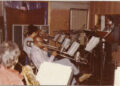
The instrumental performances were largely provided by Motown’s West Coast session musicians, many of whom were drawn from the same pool of players working on contemporaneous recordings by Marvin Gaye, Stevie Wonder and Diana Ross. Although individual musicians were not always formally credited, the playing reflects the hallmarks of this elite group: disciplined rhythm work, precise ensemble interaction and a deep understanding of how to support a vocal-led record. The musicianship throughout the album is notable for its consistency and restraint, reinforcing the album’s reflective, adult tone.
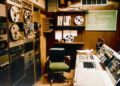
Engineering was mainly handled by Motown’s Los Angeles in-house team, including Art Stewart and Cal Harris, with Harris as the mastering engineer. The sound is warm and balanced, with vocals placed clearly at the centre of the mix and instrumental elements given space to breathe. Reverb and ambience are applied with subtlety, contributing to the album’s intimate feel without obscuring detail.
Some of the sound engineering was also performed in New York by Jon Childs with some of best local studio musicians such as Nat Adderley. Jr (electric piano), Ralph MacDonald (percussions), Francisco Centeno (Bass guitar), Keith Loving Illidge (guitar), together with drummers Ray Lucas, Buddy Williams and Charles E. Collins (well known for his studio session work with the late Thom Bell, architect of the Philadelphia Sound).
In retrospect, the album stands as a testament to Valerie Simpson’s versatility and depth. It bridges the worlds of songwriter, producer and performer with assurance, offering a sophisticated soul record that rewards close listening and exemplifies the elegance and craftsmanship of Motown’s Los Angeles era.
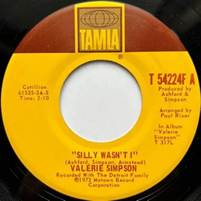
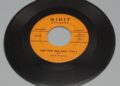
One of the best songs on the album was chosen for single release. “Silly Wasn’t I” was issued on 5th October 1972 and entered the Billboard R&B Singles Chart in December. It peaked at number sixty-three on the Billboard Hot 100 Singles Chart on 3rd February 1973, completing a nine-week chart run during that period. On the Billboard R&B Singles Chart, the song achieved a peak position of number twenty-four.
“Silly Wasn’t I” is one of the most emotionally direct and introspective recordings on Valerie Simpson’s 1972 album. The song explores regret and self-realisation with honesty and restraint, avoiding melodrama in favour of quiet reflection. The lyric unfolds like a confession, acknowledging misplaced trust and emotional vulnerability, yet it does so with dignity rather than bitterness. Simpson’s vocal performance is central to this effect, as she sings with controlled phrasing and subtle emphasis, allowing the emotional weight of the words to emerge naturally.
Musically, the arrangement is deliberately sparse and intimate. The track is built around electric piano and bass, which establish a warm, contemplative foundation, while softly played drums maintain a gentle, unhurried pulse. The harmony leans towards Jazz-influenced chord voicings, giving the song a sense of sophistication and emotional depth. This restrained instrumental setting creates space for the vocal, ensuring that the listener’s attention remains focused on the lyric and its emotional implications.
As the song develops, strings are introduced with great sensitivity, adding a layer of warmth and melancholy without overwhelming the texture. Their gradual entrance deepens the emotional impact, reinforcing the sense of reflection and quiet sorrow. Simpson’s performance on the piano is outstanding, as she leads the track from beginning to end.